
Elf names instantly feel different from human names. They sound older, softer, and more magical, as if they belong to a world shaped by nature, ancient traditions, and long lifespans. In fantasy novels, RPGs, anime, and games, elf names are designed to reflect elegance, mystery, and a deep connection to their culture.
In this guide, you’ll learn how elf names are formed, what influences their sound and structure, and how to create names that feel natural in any fantasy setting.
What Defines an Elf in Fantasy Lore?
In most fantasy worlds, elves are not just pointy-eared humans. They are a distinct race shaped by time, magic, and nature. A few core traits define what an elf is:
1. Long-lived or immortal
Elves live far longer than humans, which makes them patient, tradition-focused, and deeply connected to history.
2. Naturally magical
Magic is often part of an elf’s nature, not something they learn late in life.
3. Strong bond with nature
Elves usually live in forests, ancient realms, or hidden natural places rather than cities or fortresses.
4. Elegant and wise
They are calm, graceful, and thoughtful, valuing harmony over brute strength.
These traits influence everything about elves, including how their names sound.
Common Elf Naming Styles & Sounds
Elf names feel different from human names mainly because of how they sound. Most elf names follow a few simple patterns.
1. Soft, Open Vowels
Elf names often use smooth vowel combinations like ae, ei, ia, el. These sounds make the name feel light, ancient, and magical instead of sharp or modern.
Example: Aelion sounds softer and more timeless than Alex.
2. Gentle Consonants
Elves usually use soft letters such as l, n, r, s, th. Harsh sounds like k, g, or z are rare or softened by vowels.
Example: Lethariel feels calm and elegant, while Kragzor feels aggressive and non-elf-like.
3. Flowing Name Patterns
Elf names are designed to flow smoothly when spoken. Short, clipped endings are uncommon, while longer, rhythmic names are preferred.
Example: Aelion, Sylvaen, Lethariel all roll naturally off the tongue.
4. Natural, Melodic Sound
When combined, these vowels and consonants give elf names a musical quality. They often sound like poetry rather than simple labels.
Why does this matter?
A melodic name instantly signals that a character is graceful, magical, and elf-like—even before the story explains it.
Elf Name Structure Explained
Elf names usually follow a clear structure. You don’t need to use every part, but understanding them makes naming much easier.
1. First Names (Personal Name)
The first name is the most important part of an elf’s name. It represents who the elf is as an individual.
- Often inspired by nature, light, magic, or stars.
- Designed to sound soft, melodic, and timeless
- Should feel ancient rather than modern
Example: Aelion, Lethariel, Sylvaen
2. Surnames / Family Names (Heritage)
Surnames add depth and history to an elf character. They usually reflect where the elf comes from or their family’s legacy.
- Can reference lineage, homeland, or a defining trait
- Often symbolic, not literal
- Helps make the world feel older and more established
Example: Moonwhisper, Silverleaf, Dawnspire
3. Titles & Honorifics (Optional)
Titles are optional and used mainly to show status or achievement.
- Common for elders, warriors, leaders, or royalty
- Often used in formal or ceremonial situations.
- Not always part of the elf’s everyday name
Example: Lethariel Moonwhisper, Warden of the Eastern Grove
Simple Rule to Remember
- First name = identity
- Surname = history
- Title = status
You can use just a first name, or combine all three, depending on how detailed your story or game world is.
Types of Elf Names by Sub-Race
Different types of elves often follow different naming styles. Knowing the sub-race helps you choose a name that fits naturally.
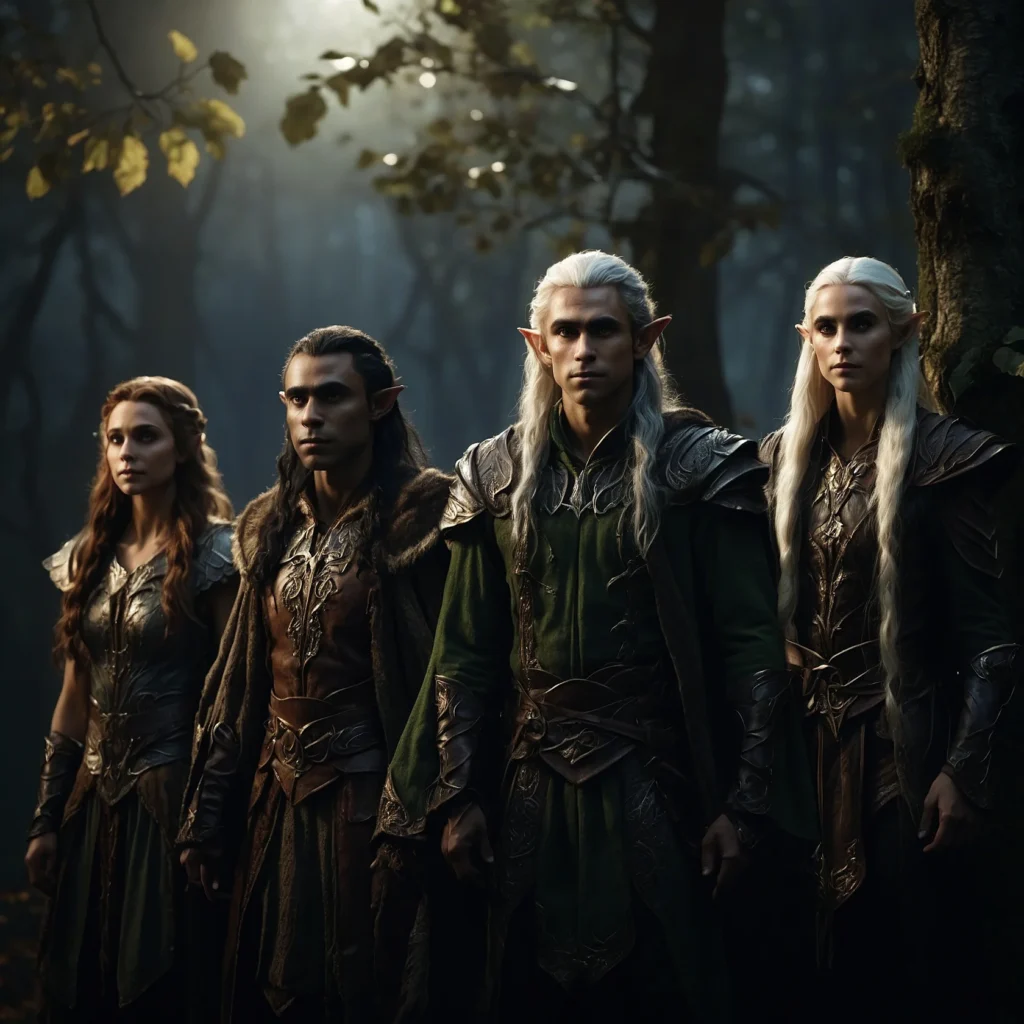
High Elf Names
High elf names sound noble and ancient. They reflect a culture built on tradition, magic, and status.
- Often longer and more formal
- Smooth, elegant, and ceremonial in tone
- Meant to suggest wisdom, history, and lineage
Example: Aeltharion, Calenoriel
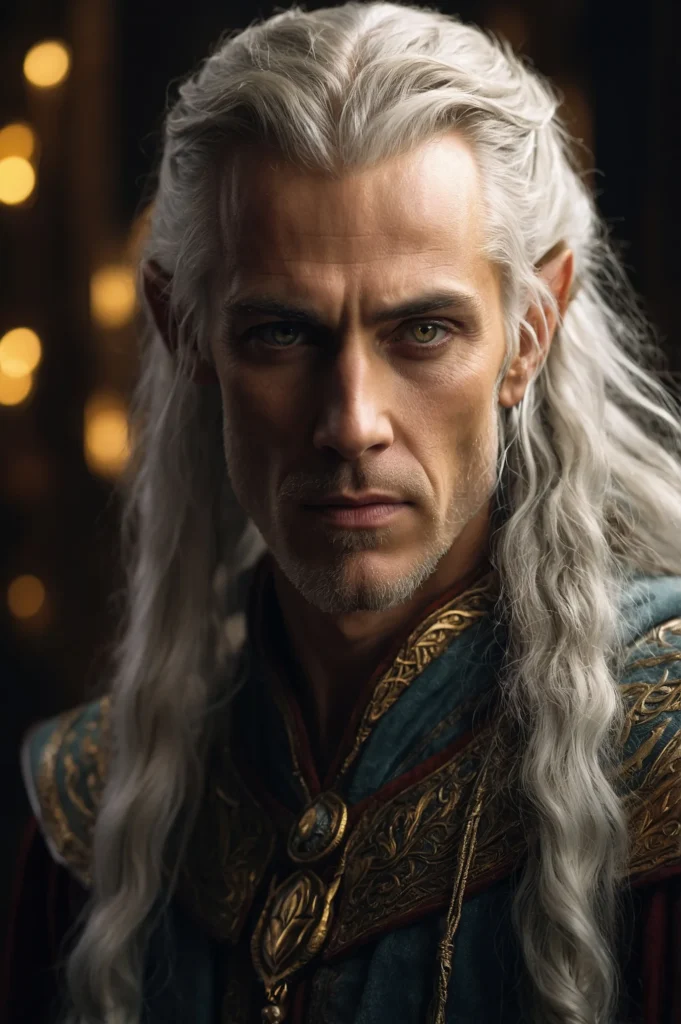
If you want names that match this noble and ceremonial style, you can explore a high elf name generator for refined, lore-friendly options.
Wood Elf Names
Wood elf names are strongly connected to nature and the wild.
- Softer and more organic-sounding
- Inspired by forests, leaves, animals, and seasons
- Usually simpler and warmer than high elf names
Example: Sylven, Thornel, Faelar
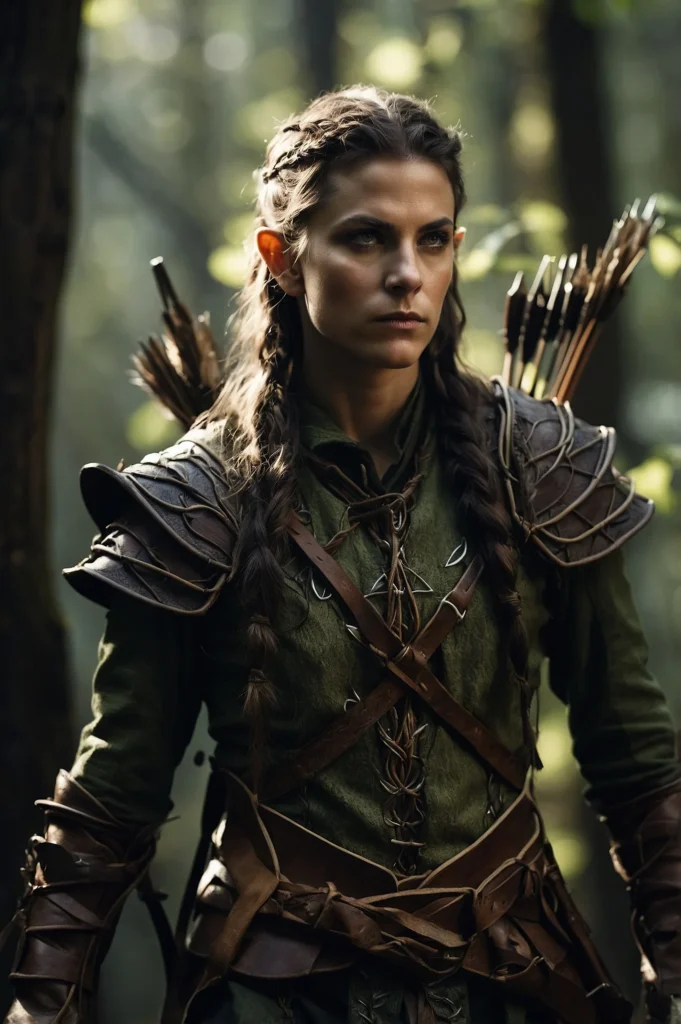
To find more nature-inspired names like these, try a wood elf name generator designed around forest and wilderness themes.
Dark Elf (Drow) Names
Dark elf names feel sharper and more intense.
- Shorter and more compact
- Strong consonants and darker tones
- Designed to sound powerful, secretive, or intimidating
Example: Drizeth, Vhaelor
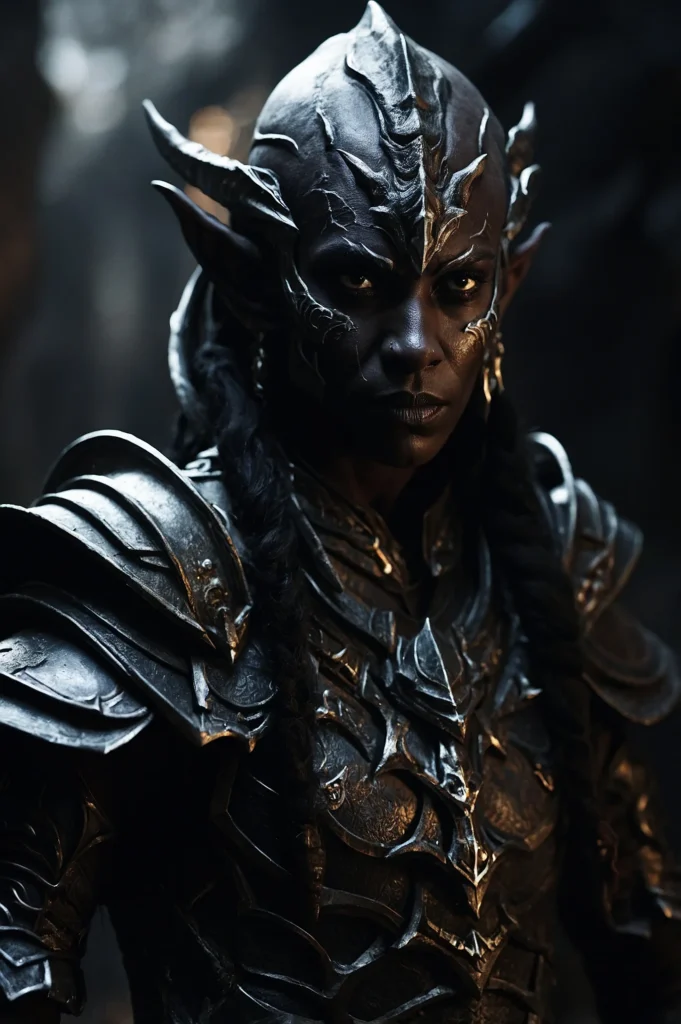
A dark elf name generator can help you discover sharper, more intense names that fit drow culture and tone.
Half-Elf Names
Half-elves combine human and elf heritage, so their names often sit between both worlds.
- Less formal than full elf names
- Shorter and easier to pronounce
- Mix soft elf sounds with simple human structure
Example: Elian, Mirael, Thalen
If you’re naming a character with mixed heritage, a half elf name generator can help you balance human simplicity with elf elegance.
Blood Elf Names
Blood elf names usually feel refined, powerful, and dramatic.
- Elegant like high elves, but with a sharper edge
- Often inspired by magic, pride, or ancient power
- Names may sound more intense or commanding
Example: Kaelthar, Aerethis, Valorian
For dramatic and power-driven naming ideas, a blood elf name generator is a great way to explore bold and magical name styles.
Night Elf Names
Night elf names feel mystical, ancient, and deeply connected to nature.
- Strong focus on moon, stars, forests, and shadows
- Soft, flowing sounds with a mysterious tone
- Often longer and poetic
Example: Tyralune, Selathis, Moonshadow
A night elf name generator can help you generate mystical names inspired by moonlight, forests, and ancient magic.
Moon Elf vs Sun Elf Names
These two styles share elegance but differ in mood.
Moon elf names
- Soft, poetic, and mysterious
- Often sounds mystical or dreamlike
Example: Luneth, Selari
If you prefer soft and mystical tones, a moon elf name generator can spark poetic and dreamlike naming ideas.
Sun elf names
- Brighter and more regal
- Clear, proud, and formal in tone
Example: Aurelion, Solthar
Choose the elf sub-race first, then shape the name’s sound to match its culture. This instantly makes the name feel more believable and immersive.
Male vs Female Elf Names
Elf names follow similar styles for all genders, but there are small differences in sound and structure that can help guide your choice.
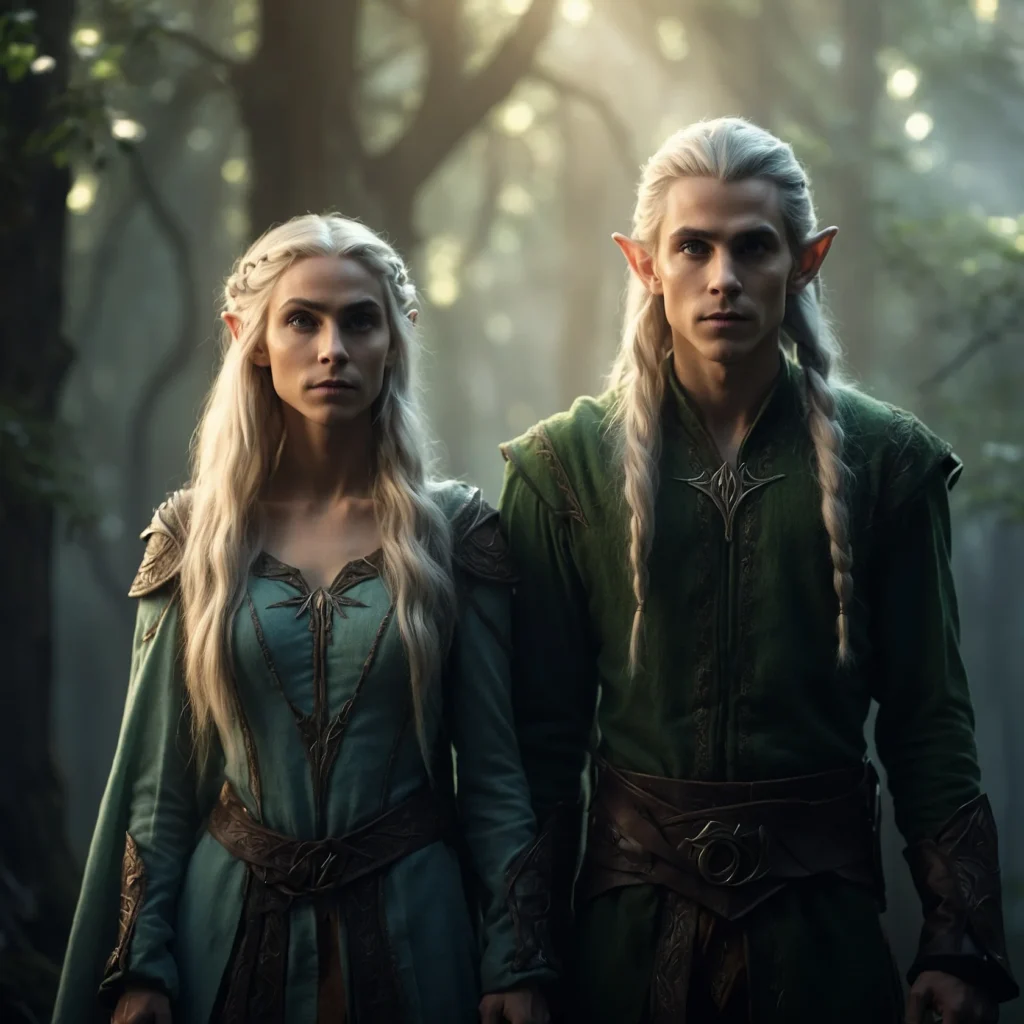
Male Elf Names
Male elf names often sound firmer and more grounded, while still remaining elegant.
- Slightly shorter or stronger endings
- May use firmer consonants
- Feel calm, noble, or quietly powerful
Examples: Aelion, Faelar, Tharion
A male elf name generator can help you find calm, noble, and quietly powerful name ideas.
Female Elf Names
Female elf names usually sound softer and more flowing, emphasizing grace and magic.
- Longer, lyrical endings
- More vowel-heavy sounds
- Feel poetic and elegant
Examples: Lethariel, Sylvaena, Elenith
If you want more ideas in this style, try a female elf name generator to explore graceful, magical, and lyrical name options.
Key Thing to Remember
These are patterns, not rules.
- Many elf names work for any gender
- Personality, culture, and role matter more than gender alone
- Fantasy worlds often allow naming flexibility
Gender-neutral examples: Sylven, Aerin, Caelis
If the name sounds smooth, timeless, and magical, it works as an elf name, no matter the gender.
Create Your Own Elf Name
This is the moment when everything falls into place. You’ve learned how elf names work; now it’s time to create one yourself.
Step 1: Choose Your Elf Sub-Race
Start by deciding what kind of elf you’re naming. Each sub-race has its own tone and cultural flavor.
- High Elf → noble, ancient, refined
- Wood Elf → natural, warm, forest-inspired
- Dark Elf (Drow) → sharp, intense, intimidating
- Moon / Sun Elf → mystical vs regal
- Half-Elf, Blood Elf, Night Elf → mixed or lore-specific traits
This choice sets the foundation for the entire name.
Step 2: Decide the Sound
Next, think about how the name should feel when spoken.
- Soft: flowing vowels, gentle sounds (ideal for peaceful or wise elves)
- Sharp: tighter syllables, stronger consonants (fits darker or battle-hardened elves)
- Mystical: airy, lyrical, slightly otherworldly
You don’t need rules here, just trust the mood you want to convey.
Step 3: Build the Name
Now put it together.
- Pick a first name that matches the sound and culture
- Add an optional surname tied to lineage, homeland, or symbolism
Surnames aren’t required, but they add depth if you’re writing lore or backstory.
Example:
Let’s say you’re naming a Wood Elf ranger.
- Sub-race: Wood Elf
- Sound: Soft and natural
- First name: Sylvaen (nature-inspired, melodic)
- Surname (optional): Leafwhisper (symbolic, forest-linked)
👉 Final name: Sylvaen Leafwhisper
It sounds natural, fits the culture, and feels like it belongs in a fantasy world.
If you’re ever stuck or want fast inspiration, you can always generate lore-friendly ideas instantly using an Elf Name Generator, then tweak the results to make the name truly your own.
Common Mistakes to Avoid When Naming Elf Characters
Even well-designed fantasy worlds can feel unrealistic if elf names don’t match the race or setting. Avoiding these common mistakes will help your elf names feel believable and immersive.
1. Using Names That Sound Too Modern
Elf names should feel ancient and timeless, not trendy or casual.
Modern names or slang-inspired spellings can instantly break immersion and pull readers out of the fantasy world.
Tip: If the name sounds like it belongs in today’s world, it probably doesn’t fit an elf.
2. Overcomplicating the Spelling
Uniqueness doesn’t mean complexity.
Elf names with too many extra letters, symbols, or confusing spellings are hard to read, pronounce, and remember.
Tip: Elegant and simple usually works better than overly complex.
3. Mixing Unrelated Fantasy Styles
Each fantasy race usually follows its own naming logic.
Mixing elf naming styles with dwarf, orc, or human patterns can make the world feel inconsistent.
Tip: Pick one cultural style for elves and stay consistent with it.
4. Copying Famous Elf Names Too Closely
Taking inspiration is fine, but copying well-known elf names too closely can feel unoriginal and distracting.
Tip: Study the style of famous elf names, then create something new using similar sounds and patterns.
Final Reminder
A good elf name should feel timeless, elegant, and culturally consistent. If it fits those three ideas, you’re on the right track.
Good vs Bad Elf Name Examples
Seeing examples side by side makes elf naming mistakes much easier to spot. Here’s a quick comparison to lock in what works and what doesn’t.
❌ Bad Elf Name Examples (Why They Fail)
- Kevinor → Sounds modern and casual, not ancient or magical
- XxZarthKillerxX → Overcomplicated, gamer-style spelling breaks immersion
- Brakthug → Feels more orc or barbarian than elf
- Elffy123 → Numbers and gimmicks don’t belong in fantasy naming
- Legolasson → Too close to a famous character, feels copied
✅ Good Elf Name Examples (Why They Work)
- Aelion → Soft vowels, timeless, and elegant
- Lethariel → Flowing, melodic, and clearly elf-like
- Sylvaen → Nature-inspired and easy to pronounce
- Tharion Moonwhisper → Balanced first name and symbolic surname
- Caelis → Simple, magical, and versatile across sub-races
Quick takeaway:
If a name sounds elegant, readable, and culturally consistent, it works. If it feels modern, messy, or copied, it doesn’t.
🧾 Quick Elf Name Checklist
Use this checklist before finalizing your elf name. If you can tick most of these, your name is ready.
✔️ Elf Name Validation
☐ Sounds timeless, not modern
☐ Easy to read and pronounce
☐ Matches the elf’s sub-race
☐ Feels soft, elegant, or mystical
☐ No harsh or awkward letter combinations
☐ Fits naturally in a fantasy world
✔️ Structure Check (Optional)
☐ First name feels melodic
☐ Surname adds history or meaning
☐ Title (if used) feels earned, not forced
✔️ Final Confidence Check
☐ Sounds good when said out loud
☐ Feels right for the character’s personality
☐ You wouldn’t feel awkward reading it in a story or game
✅ If You Checked Most Boxes…
Your elf name works.
Stop overthinking it and move forward with confidence.
When Should You Use an Elf Name Generator?
Naming elves can be fun, but it isn’t always easy. Knowing when to name characters yourself and when to use a generator can save time and frustration.
When Naming by Hand Works Best
Manual naming is a good choice when:
- You’re creating one or two important characters
- You want full creative control over meaning and lore
- You enjoy playing with sounds, symbolism, and fantasy languages
If you like crafting names slowly and carefully, naming by hand can be a rewarding part of world-building.
When an Elf Name Generator Is the Better Option
A name generator is especially helpful when:
- You need many elf names quickly
- You’re writing a large story, game, or RPG campaign
- You’re stuck, and nothing sounds “elf-like”
- You want names that already follow elf naming patterns
Instead of guessing, the generator gives you ready-to-use names that feel natural and consistent.
How Generators Help With Inspiration
You don’t have to use a generated name exactly as it is.
- Use it as a starting point
- Mix parts of different names
- Adjust spelling or endings to match your world
Many writers use generators to spark ideas they wouldn’t think of on their own.
Simple Rule to Remember
- Few characters + deep lore → Name them yourself
- Many characters or stuck → Use a generator
👉 If you want instantly generated, lore-friendly names, try our Elf Name Generator.
FAQs About Elf Character Names
Can I use elf names commercially?
In most cases, yes. Names generated or created using common fantasy naming patterns are generally safe to use commercially. However, you should avoid using names that are identical or very similar to well-known copyrighted characters.
Are there any rules for naming elves?
There are no strict rules, but elf names usually follow certain patterns. They tend to sound melodic, timeless, and culturally consistent within a fantasy world rather than modern or casual.
What is the most popular name for an elf?
There isn’t one single most popular elf name. Popularity varies by fantasy setting, game, or story, and many writers prefer unique names that fit their own world-building.
Do elf names need meanings?
Elf names don’t have to include meanings, but giving them symbolic or cultural significance can add depth to a character. Some writers use meanings tied to nature, magic, or ancestry.
Can elf names be short?
Yes, elf names can be short. While many elf names are longer and flowing, shorter names can still feel authentic if they follow elf-like sound patterns and fit the character’s culture.

I’ve watched a lot of anime and fantasy shows over the years, and I’ve always loved how every name seems to have a story behind it. That’s what inspired me to make this site. I wanted to give people an easy way to create names that feel alive and unique, not just random words.
When I’m not working on new generators, I’m usually watching anime, brainstorming new character ideas, or improving the site.
Thanks for visiting Character Name Hub. I hope you find the perfect name for your next character here.
- How to Name an Elf Character? (Ultimate Guide) - January 4, 2026